190 results
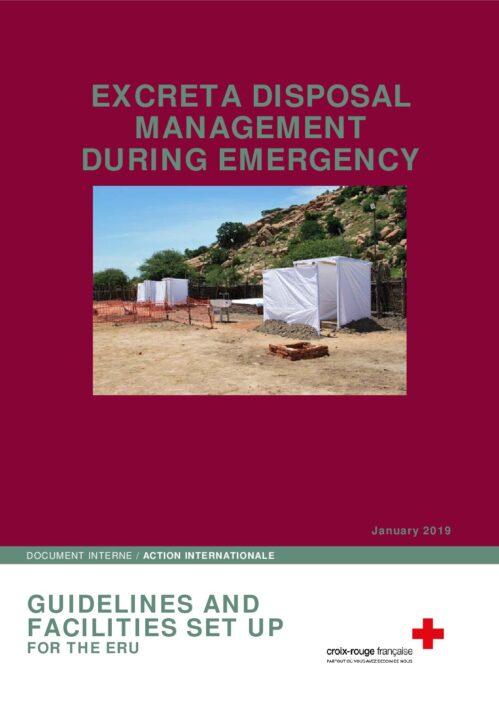
IN THIS DOCUMENT YOU WILL FIND : > Reminders about SPHERE standards and summary of main elements to take into account to choose the excreta management […]
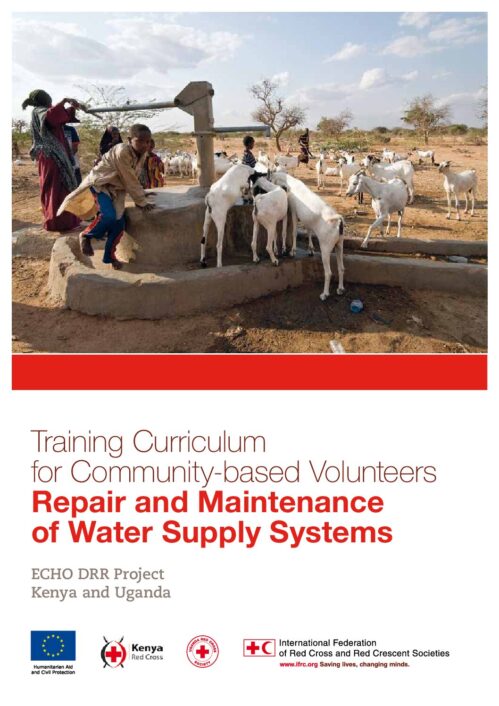
Community-based volunteers are individuals chosen by the community, who have been trained by Red Cross Red Crescent National Societies in various fields such as disaster preparedness, […]
The WHO-UNICEF MDGs Joint Monitoring Project, Progress on Sanitation and Drinking Water: 2012 Update Report, monitors the progress towards achieving country-level drinking water and sanitation MDG […]
The International Federation of Red Cross and Red Crescent (IFRC) advocates for the integration of “hardware” and “software” for water, sanitation and hygiene promotion. This approach […]
One of the most important strategies a WASH program should consider to transform behaviours is the active targeting of and promotion among children of knowledge of […]
Hardware and software in water and sanitation programming Lack of access to safe water, basic sanitation and poor hygiene practices are a major cause of disease […]
This study has found that displaced people from the Tigray region in Eastern Sudan experience extreme challenges to manage incontinence. They lack access to the right […]
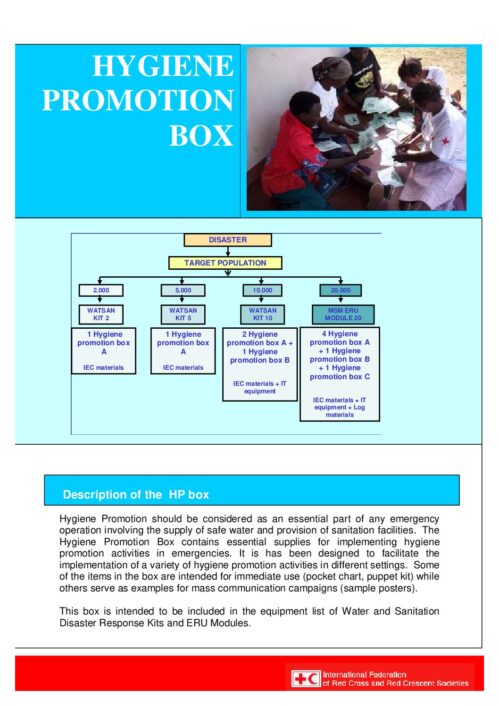
Hygiene Promotion should be considered as an essential part of any emergency operation involving the supply of safe water and provision of sanitation facilities. The Hygiene […]
Livelihoods are understood as the collective or set of capabilities, assets, and activities that are required to make a living, dependent on access to natural, human, […]
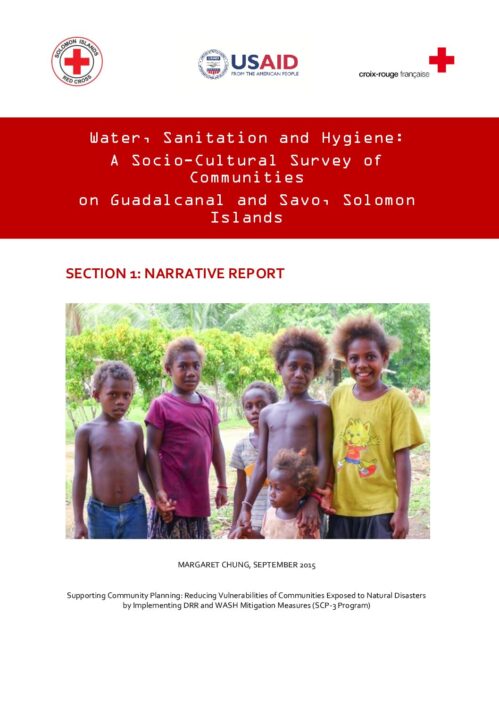
This study was commissioned by French Red Cross and Solomon Islands Red Cross and funded by USAID/OFDA to better understand the communities they are working in, […]
INTRODUCTION New Ways of Promoting Safe Hygiene Why hygiene? Diarrhoea is one of the top three killer diseases in developing countries, claiming the lives of more […]
A WASH preventive and preparedness approach will be taken to addressing cholera outbreaks in the endemic hotspots urban areas of Cape Coast Municipal areas. The project […]
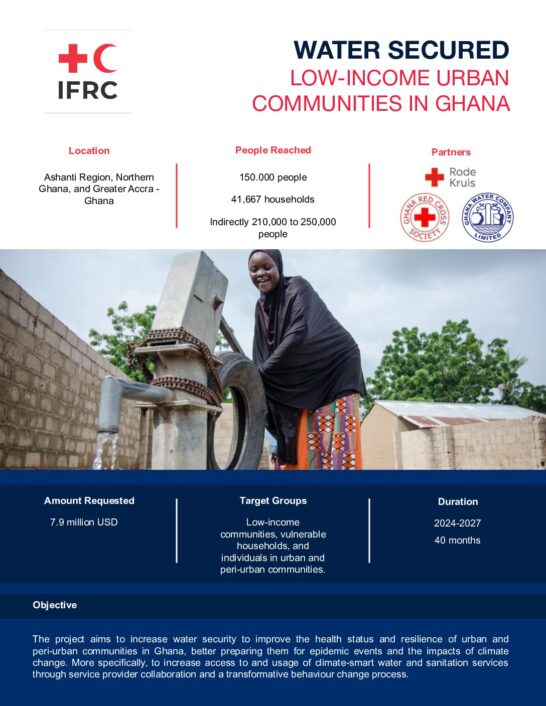
Objective The project aims to increase water security to improve the health status and resilience of urban and peri-urban communities in Ghana, better preparing them for […]
Urban population is highly reliant on services to meet their essential needs and therefore is highly vulnerable to a disruption in service delivery, which often occurs […]
Background (the challenge) WASH (water, sanitation, and hygiene) is crucial to human dignity, it is a vital element of preventive and public health and can contribute […]
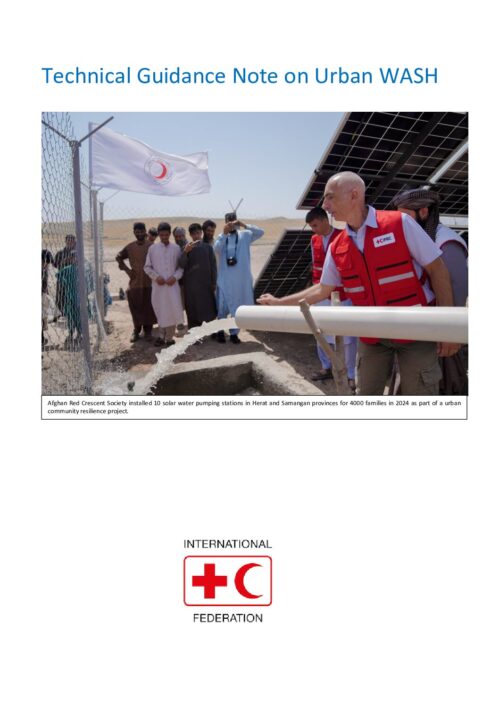
Context Traditionally, water, sanitation and hygiene (WASH) programming in the Red Cross Red Crescent network has focused on the needs of rural communities. With the increase […]
Sanitation Quality Standards for Emergencies The Faecal Sludge Management (FSM) Technical Working Group (TWiG) of the Global WASH Cluster has taken the initiative to create new […]
Sign up to receive updates from IFRC WASH here, or contact us for more information