190 results
Presentation Plan: 1. Damascus City Water Sources. 2. The Situation of water services during crisis. 3. Damascus Water Emergency Response Plan. 4. Lessons Learned. The situation of water services during […]
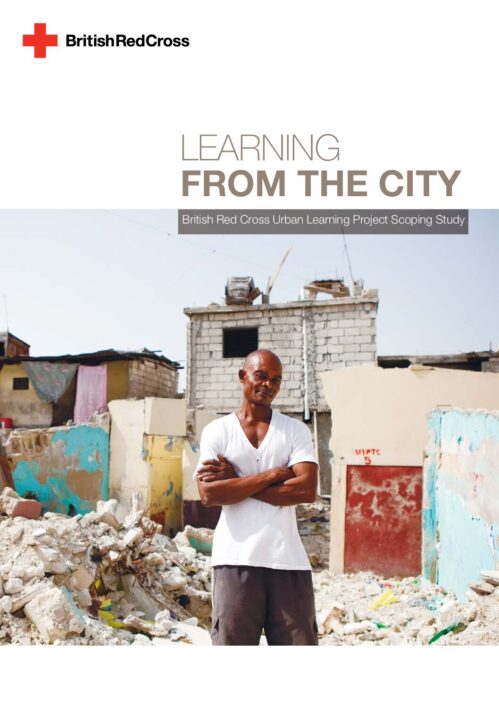
Every day, more than 100,000 people move to slums in the developing world – that’s one person every second. Nearly 1.5 billion people currently live in […]
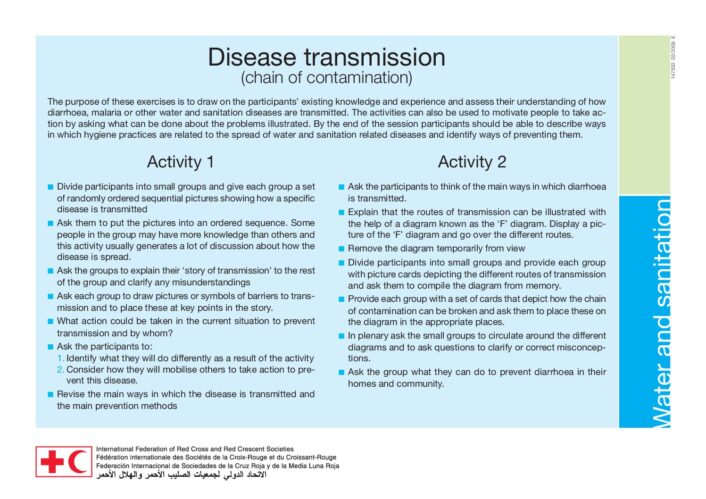
The purpose of these exercises is to draw on the participants’ existing knowledge and experience and assess their understanding of how diarrhoea, malaria or other water […]
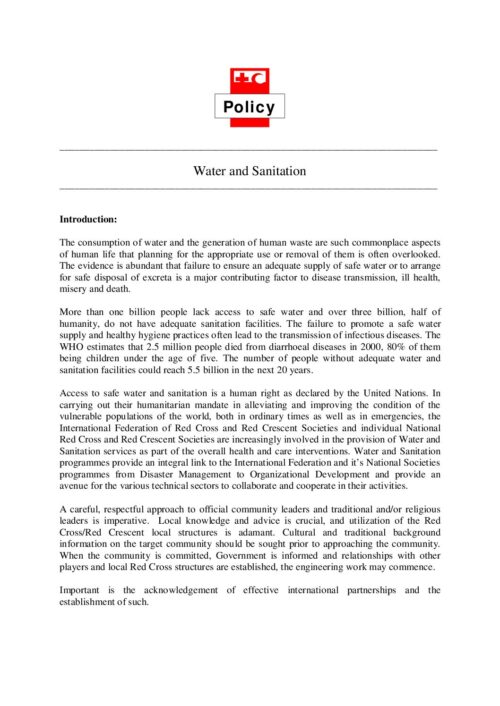
Introduction: The consumption of water and the generation of human waste are such commonplace aspects of human life that planning for the appropriate use or removal […]
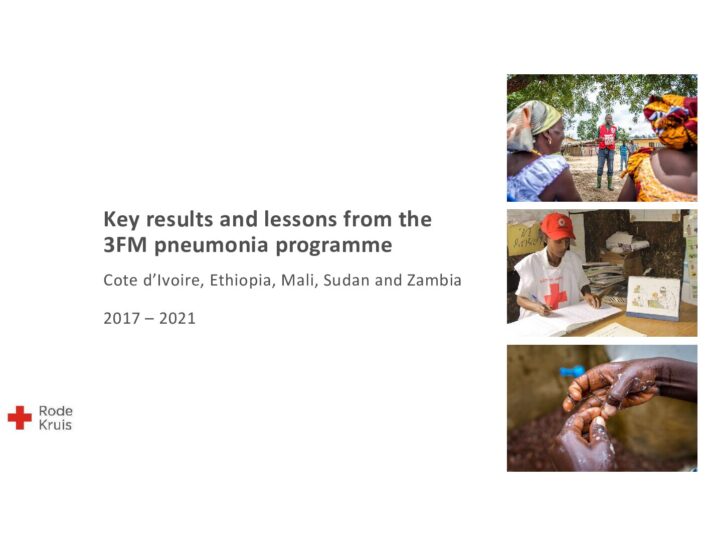
Contents What was the 3FM programme? Selection of key results: health seeking behaviour and direct protective practices (breastfeeding, handwashing with soap, indoor air pollution and vaccination) […]
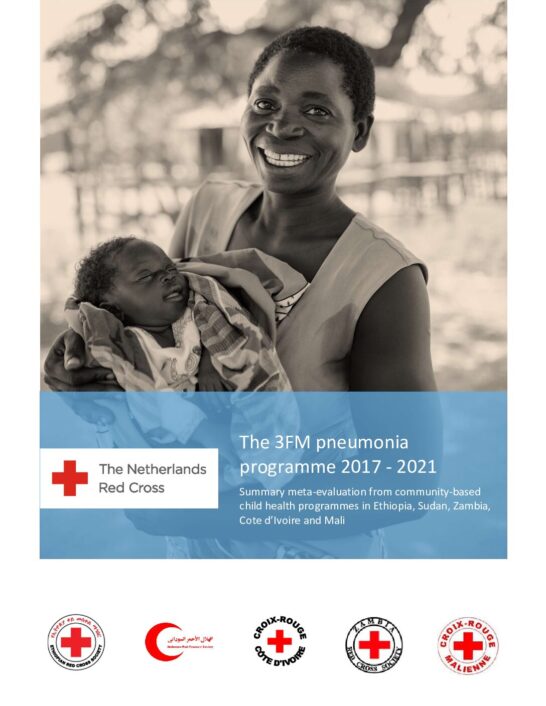
The 3FM Pneumonia programme was a flagship integrated community health programme implemented in 5 countries (Ethiopia, Mali, Sudan, Zambia, and Cote d’Ivoire) with support of the […]
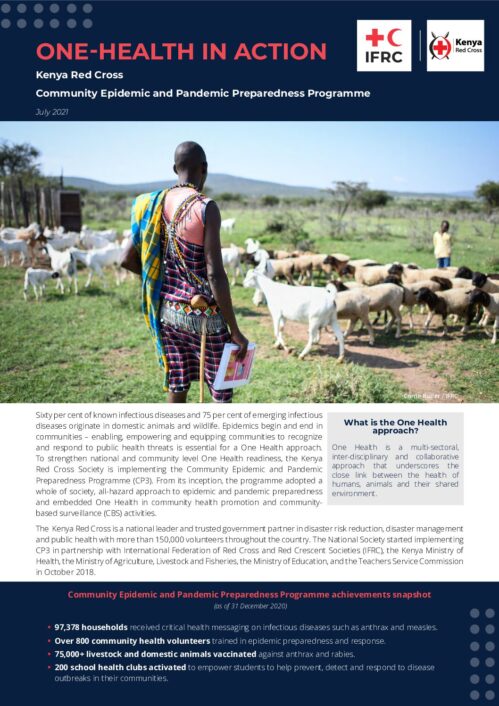
Sixty per cent of known infectious diseases and 75 per cent of emerging infectious diseases originate in domestic animals and wildlife. Epidemics begin and end in […]
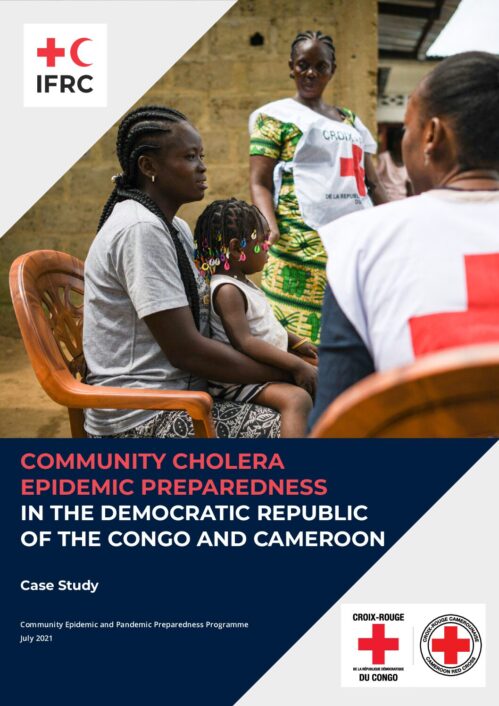
Recent large-scale epidemics and pandemics (e.g. measles, COVID-19) have demonstrated that it takes an inclusive and collaborative effort engaging communities as full-fledged partners to effectively prevent, […]
Epidemic prevention, preparedness, early action and response is a top priority for the International Federation of Red Cross and Red Crescent Societies (IFRC). Containing an epidemic […]
Tool 1 — Focus Group Discussion Guide (Assessment) This tool is part of IFRC’s guide on addressing menstrual hygiene management (MHM) needs, specifically supporting the assessment […]
Incontinence is an often hidden and neglected issue. There is growing interest within the IFRC network in supporting people with incontinence, both in emergency contexts and […]
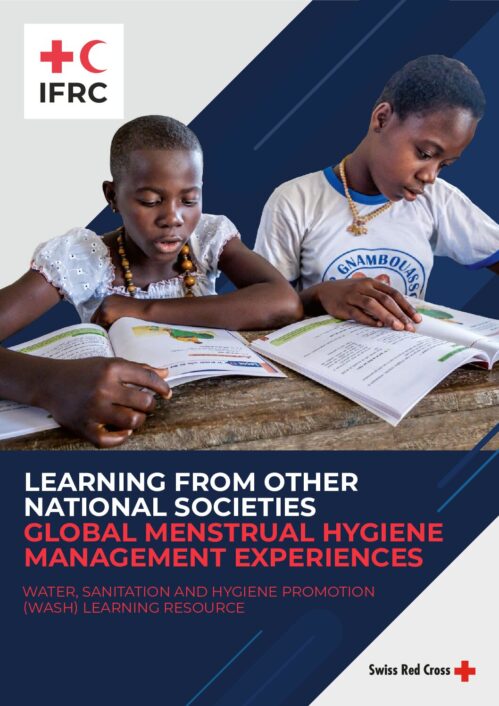
This learning document is a collection of experiences from Red Cross Red Crescent National Societies in menstrual hygiene management (MHM). Experiences from both emergency contexts and […]
This checklist aims to provide a comprehensive framework for RCRC WASH practitioners to assess and respond effectively to the WASH needs in the aftermath of a […]
Objective: Immediate reduction in risk of waterborne and water related diseases in targeted communities
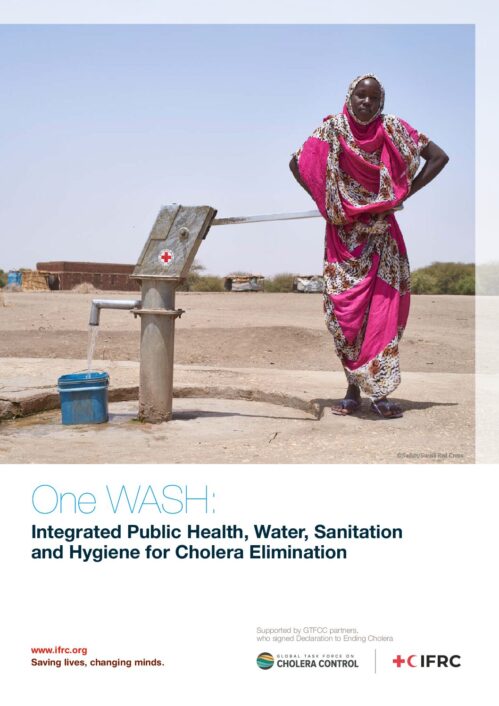
One WASH promotes a common yet adaptable approach for Red Cross and Red Crescent National Societies to establish large-scale, long-term and integrated public health and water, […]
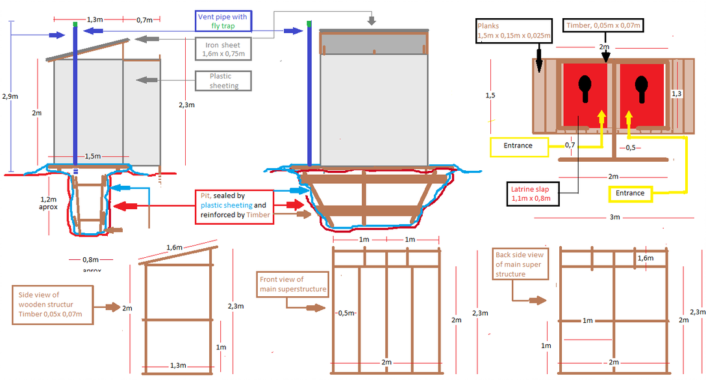
In an emergency, the collection, treatment, and disposal/reuse of human waste are critical to the health, well-being, and environment of affected populations. Addressing this is difficult […]
Sign up to receive updates from IFRC WASH here, or contact us for more information